Results for:
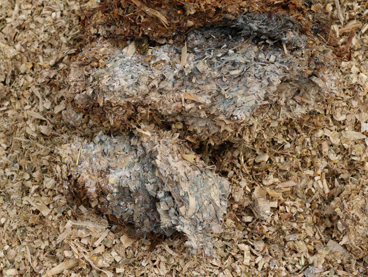
Mitigate mycotoxin risk in the dairy herd to avoid performance shortfallsufac
Production drops, compromised performance and negative impact on fertility likely when consuming mycotoxin-contaminated feed
Production drops, compromised performance and negative impact on fertility likely when consuming mycotoxin-contaminated feed
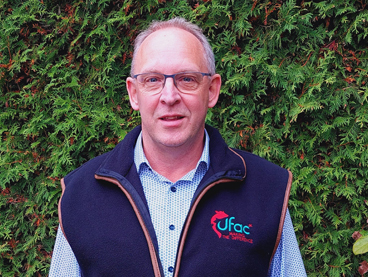
Dirk Van Kessel joins UFAC-UK in a new position created to build on upcoming and existing market opportunities across Europe
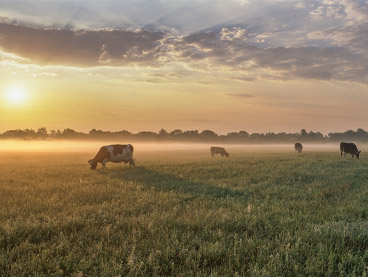
Dairy cows not only have the potential to experience heat stress but can also be affected by the cold. Fortunately, there are ways to minimise the effects of cold stress on your herd this Winter.
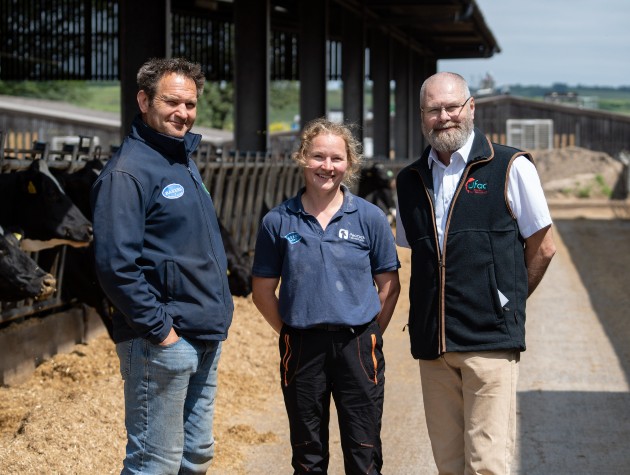
A palm-free diet sees yield improvements and components maintained for Arla regenerative pilot farm
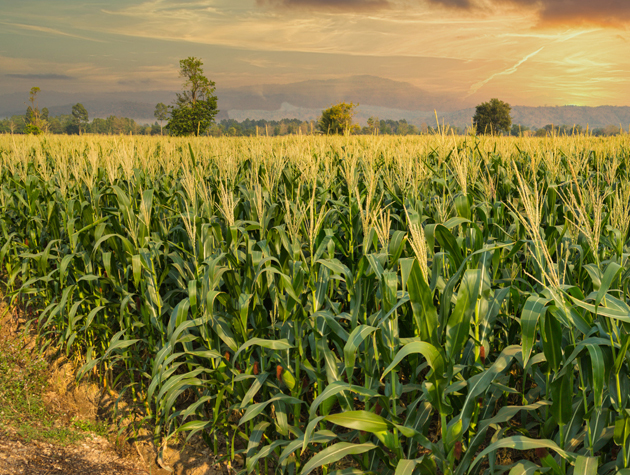
In an age of climate crisis, find out how UFAC’s non-digestible mycotoxin binder, mycotrap, can provide protection against mycotoxins, support fertility and improve the overall health status of livestock.
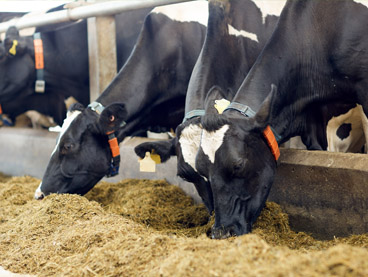
Dairy farmers can increase sustainability practices and reduce their carbon footprint with envirolac, the palm-free fat supplement proven to increase milk yields and quality.
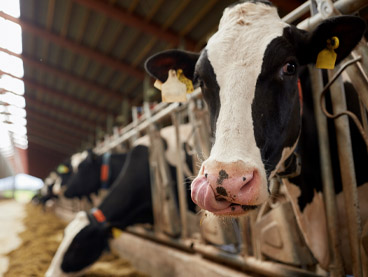
Using a variety of UFAC products, Dairy farmers can support freshly calved cows during critical periods, ensuring maximum performance and promoting recovery after birth.
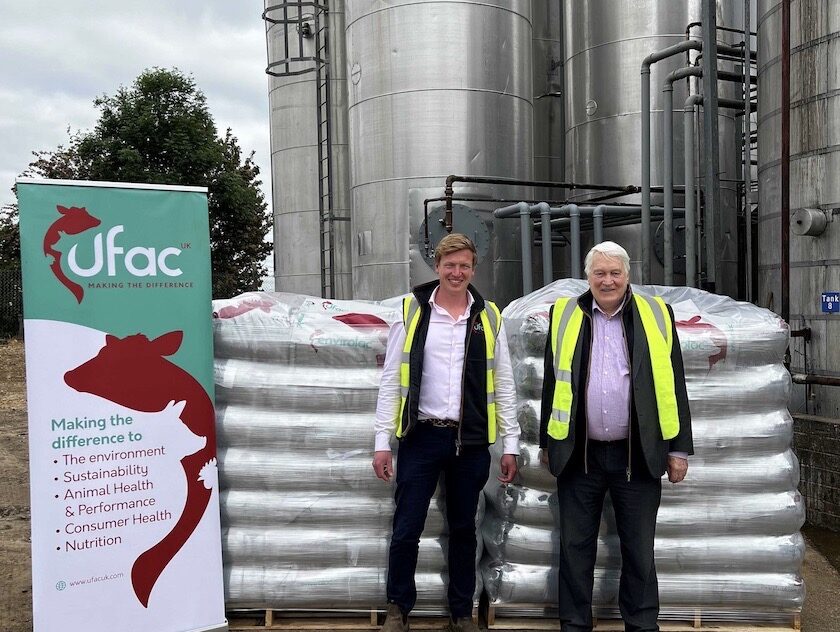
UFAC-UK has completed a major upgrade to its unique UK manufacturing facility
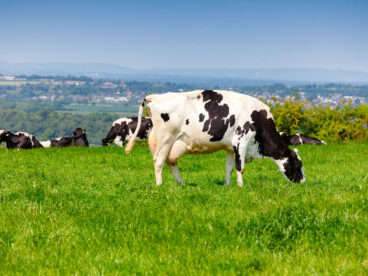
Dairy producers looking to make best use of grazed grass through the spring and summer, must consider balanced oil supplementation

David Turnbull re-joins business at next stage of exciting development plans



 Open Map
 Send Email
 Open Map